

What is a conversion funnel?
All online businesses are comprised of a certain number of steps that transform visitors into clients. With that in mind, if you’re reading this article, it’s probably because you’re interested in the thorny questions, How can I convert my visitors into clients, and, even more importantly, How can I make them loyal clients?
Whether you want your website visitors to leave their email address, download an ebook or buy your products, they’ll pass through a certain number of steps before this objective is realized. These steps make up your site’s conversion funnel.
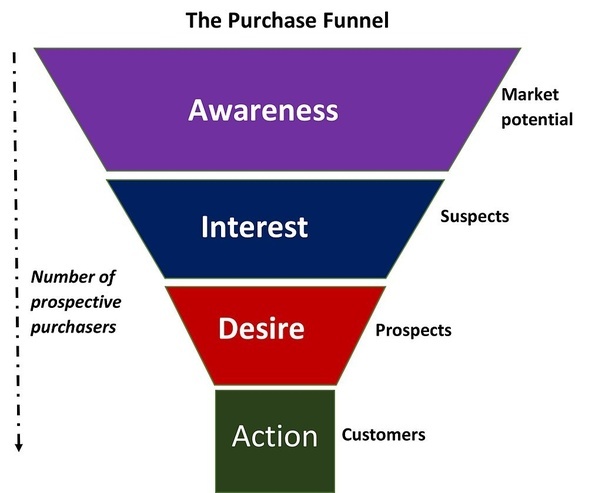
The idea behind the conversion funnel (or ‘purchase funnel’, ‘sales funnel’…) is the funnel metaphor: many people will land on your site, and only a small percentage will actually end up buying.
To optimize your conversion funnel, download our ebook on limiting shopping cart abandonment.
Why? Your visitors go through several decisive steps during the purchasing process, which is often described using the AIDA model: Attention, Interest, Desire, and Action.
- Attention. This is the first step of your conversion funnel. You attract visitors by increasing your site’s visibility in the hope they’ll get to know your products. You’ll achieve this thanks to ads, social networks, content marketing, etc.
- Interest. Once you’ve attracted visitors to your site, the real work begins. You have to spark interest in your products. How? Relevant content, attractive visuals, and special offers are good ways to start. The idea is to entice engagement between you (the website), and your visitors, who probably don’t know you yet. Suggesting they subscribe to your newsletter is another good way of building interest.
- Desire. This next step involves creating a relationship of trust and the desire to buy. The idea is to create a reassuring and relevant environment that will help pull your prospect further and further along the sales funnel. Personalized, interesting email campaigns will help you: you can offer special promotions, case studies or client testimonials that reassure your visitors and make them want to take action.
- Action. This is the heart of the matter, the final, crucial step of your sales funnel. By this step, your visitors have passed through the conversion funnel and have begun engaging with your brand (they’ve downloaded something, subscribed to something or even called someone). Now, your goal is to convince your prospects to convert by purchasing something or completing another desired action. You’ll want to keep your payment pages clean and simple, only displaying relevant, convincing information that will help turn your prospects into clients.
Because the end goal of your ecommerce site is to convert, ecommerce professionals use the sales funnel to analyze how well a site converts visitors into clients at each step of the process.
Why is a conversion funnel useful?
A conversion funnel is a very powerful tool that’s easy to put in place that allows you to understand what problems your visitors bump up against the buyer journey, and how to fix them.
Let’s take a look at this:
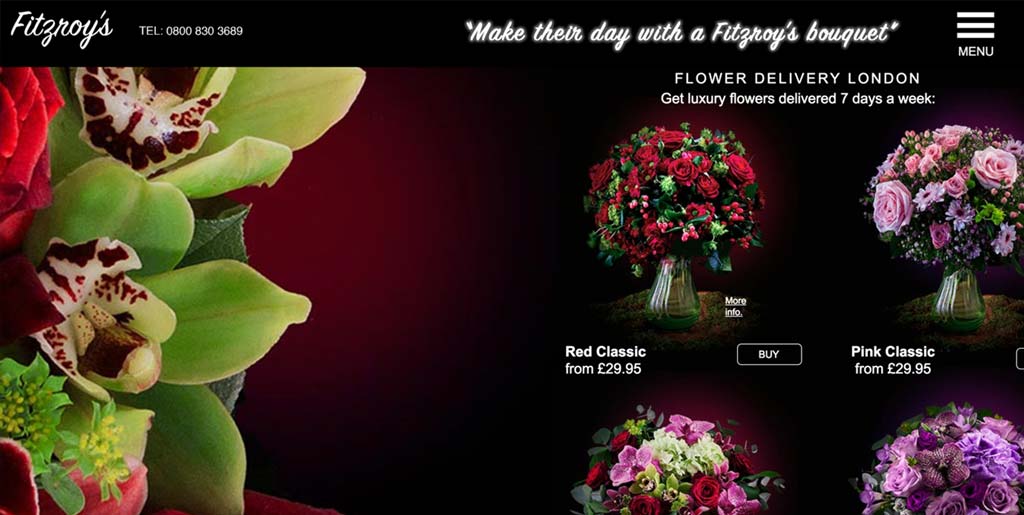
On this London flower delivery site, half of the products shown on the right have a display issue: it’s impossible to see or click on the CTA ‘buy’ – this isn’t good!
The idea behind using a conversion funnel is to better understand the steps that a visitor to your website has to go through:
- What pages have problems?
- What is the conversion rate of each step?
- How many people leave the site after one, two or three steps?
- What step or page has high drop off?
By analyzing these issues, you quickly get a better idea of the strong and weak points of your site.
Even better: you know what step(s) you have to work on in your sales funnel to get more orders, emails or inbound calls.
By taking a look at your conversion funnel, you’ll see that only a very small percentage of your visitors will actually get to the last step (‘Action’). That’s why even small changes at each phase of the sales funnel can greatly increase the number of your conversions. You can use A/B testing to test and measure the effects of these modifications.
How can you measure and improve the performance of your conversion funnel?
At this point, you’ve understood the importance of the conversion funnel in ecommerce. The goal behind analyzing the conversion funnel is to improve conversion rates on your site (and therefore to increase sales), all the while analyzing visitor behavior to limit drop off at each stage of the sales funnel.
Depending on the kind of site you want to analyze, you can establish conversion funnels of varying size.
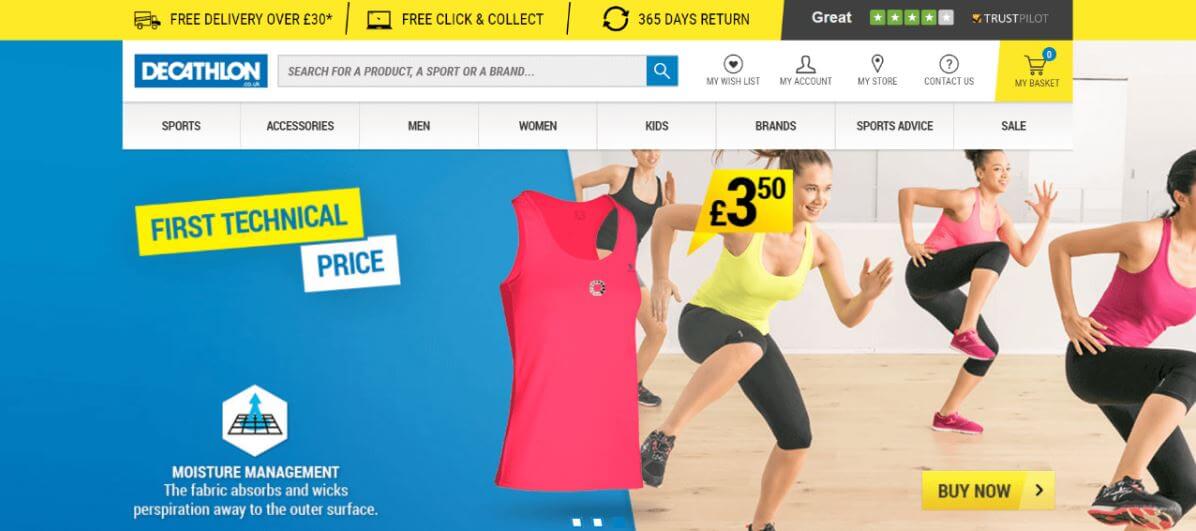
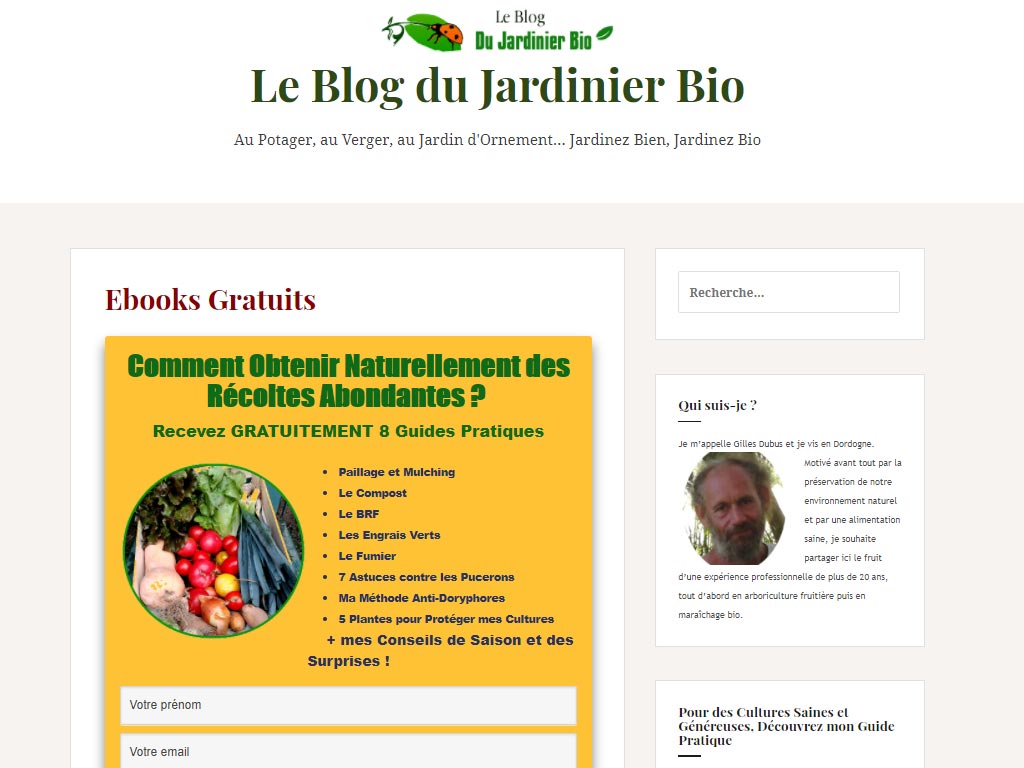
In general, there are many best practices that can help you make your conversion funnel smoother and increase sales.
The main idea is simple: Make the customer journey as easy as possible and get rid of any roadblocks that stop your prospects from converting or from abandoning their cart.
Be clear and simplify navigation
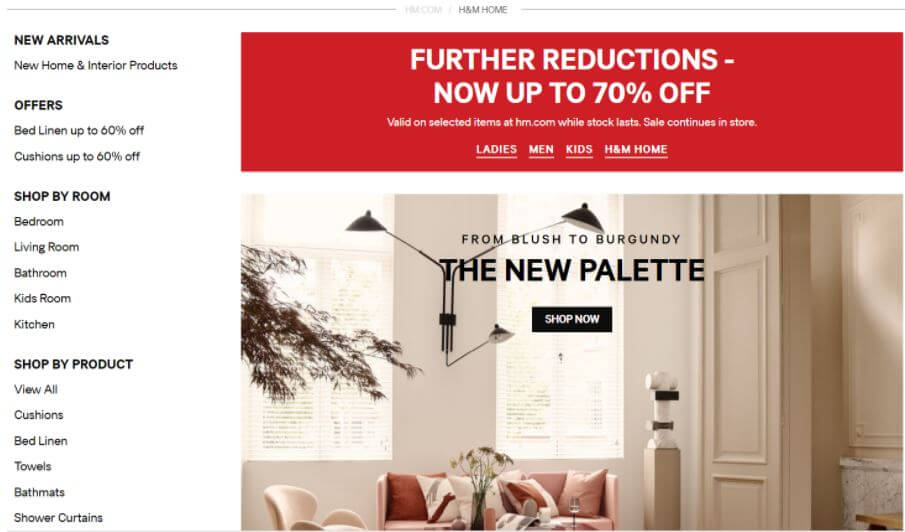
A complicated or unclear navigation hinders conversions. Your visitors should be able to intuitively find what they’re looking for, and be guided through the sales process. This means highlighting useful links and sections of your website and deleting secondary or even useless sections.
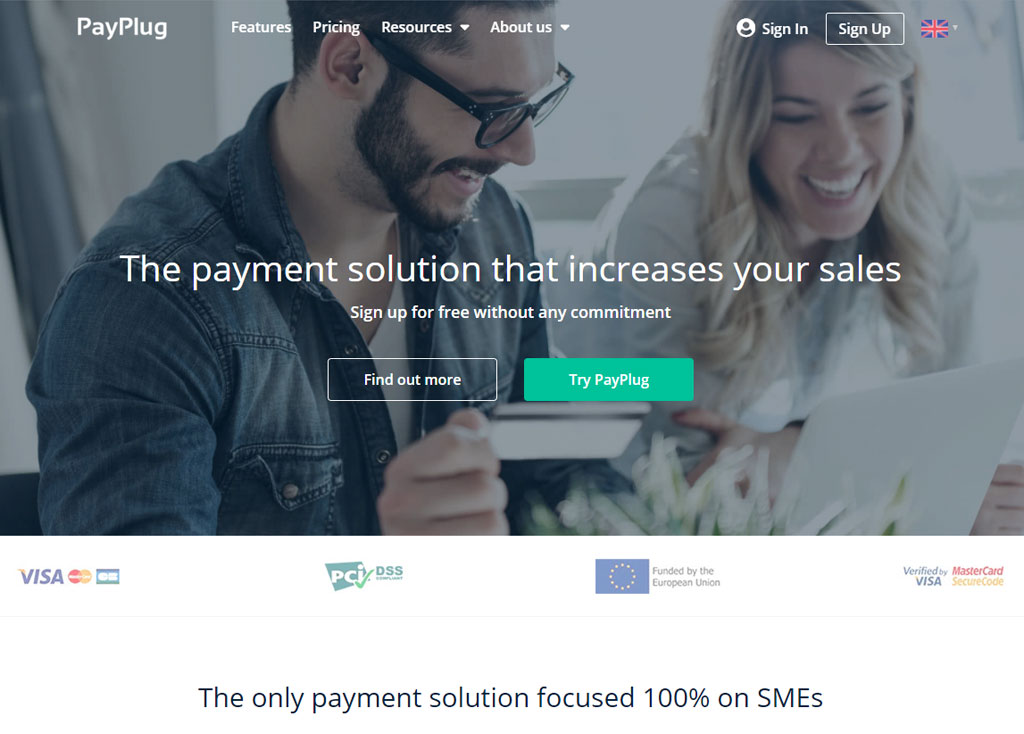
Avoid information overload
Information overload is information’s worst enemy. Try to order the information you present to your visitors by importance. Concentrate essential information at the beginning of a visitor’s navigation, and let the really curious ones dig for more info deeper in the site.
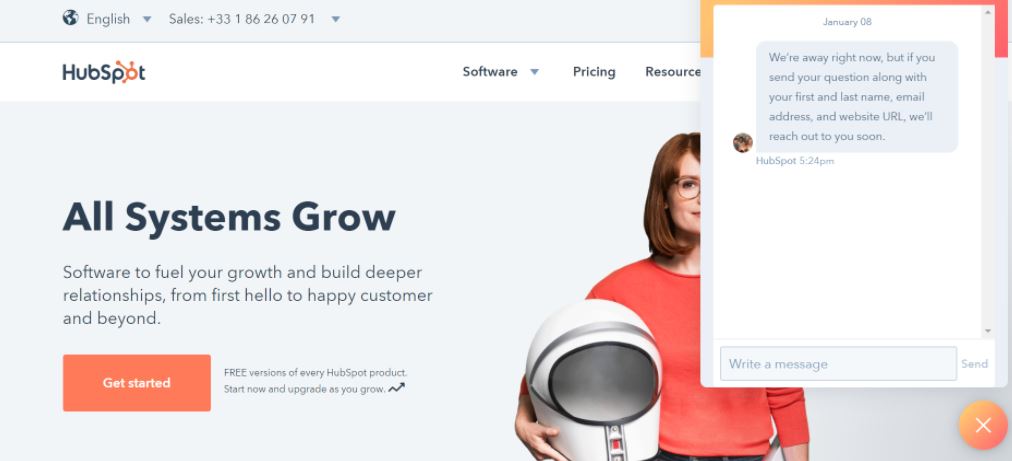
Offer help
Many visitors like to ask a few questions before finalizing their purchase, and an even larger number of visitors don’t finalize their purchase because they couldn’t get help at the right time. Putting in place services or a help desk type of chat can help increase conversions while reassuring your visitors.
Highlight reassuring elements
‘Social proof’ is a powerful tool for improving conversions. Putting up client testimonials, client ratings or reviews can reassure visitors as to the legitimacy of the site that they’re on, which can have a big impact on increasing conversion rates.